
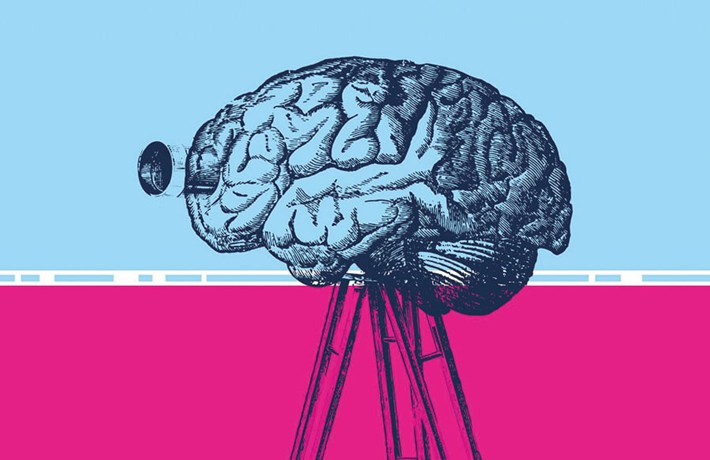
Step inside any building and your nervous system immediately gets to work. Research suggests that the geometry, light and materials around us subtly influence our emotions, physiology and even our creative output. Neuroarchitecture – the intersection of neuroscience and design – explores how our brains respond to built spaces and how architects can promote wellbeing through design. Recent experiments show that the way a room is shaped or illuminated can be as important to our mood as what it contains.
Curves and Creativity
One of the most striking findings comes from a 2024 virtual‑reality study comparing curved and rectangular rooms. Participants walking through curved spaces reported higher positive affect, lower negative affect and reduced heart rate compared with those in rectilinear rooms. They also performed better on a creative drawing task, suggesting that soft geometry can stimulate imagination.
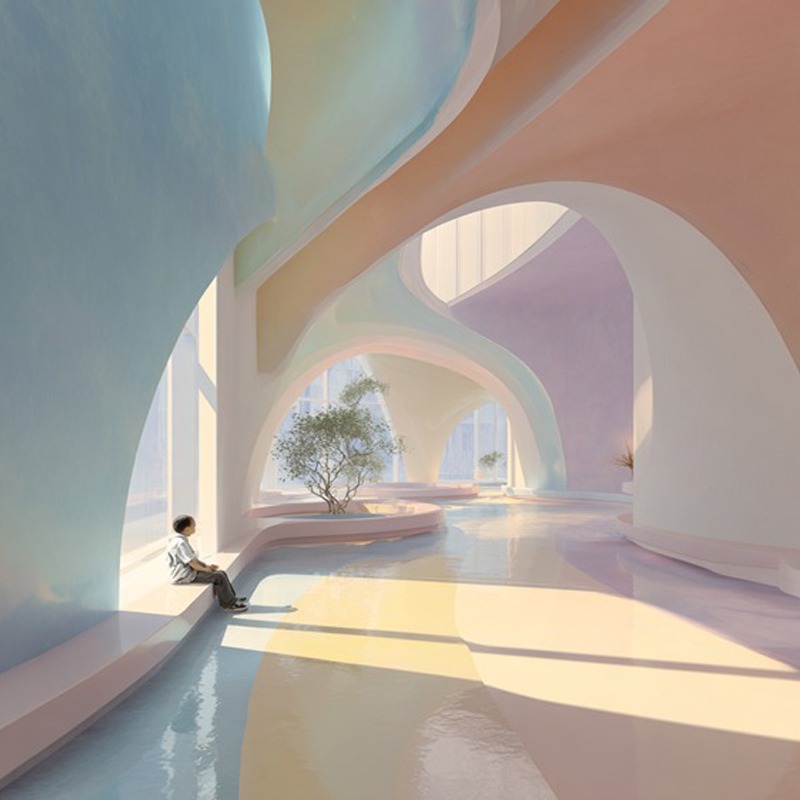
The picture above shows the experiment’s essence: in curved environments, people feel calmer and more open. This echoes long‑standing claims by architects like Gaudí that organic forms “speak” to us.
Light, Height and Nature
Beyond shape, other environmental variables strongly affect cognition. A 2023 review notes that natural daylight improves perceived spatial size and aids recovery, while quiet, thermally neutral environments enhance attention. High ceilings foster creativity and open thinking, whereas low ceilings may support calm but can stifle learning. Curved forms and textured surfaces increase emotional engagement, whereas rectilinear spaces feel colder and more clinical. Natural materials such as wood or stone and biophilic elements like indoor plants reduce stress and anxiety, supporting theories of biophilia and attention restoration.
High ceilings are more than a stylistic choice. Studies show that soaring vertical spaces, particularly in spiritual domes, evoke feelings of freedom and openness, boost creativity and mood, and provide an inspiring sense of belonging, giving the space a positive energy.

Hidden Stressors
Poorly designed spaces can harm mental health. Rooms with low ceilings and small windows evoke stress responses, while those with larger windows and abundant daylight reduce stresspsyche.co. High‑contrast patterns and monotonous, featureless interiors can cause visual discomfort and anxiety; incorporating varied design elements helps to calm occupants. Noise is another major enemy of concentration – persistent background noise disrupts the prefrontal cortex and increases error rates. Crowdedness and poor lighting have been linked to mood disorders and elevated cortisol.

Designing for Well‑Being
The good news is that design choices can mitigate these stressors. Varied layouts, warm colours and access to greenery have been shown to lower blood pressure and stress hormoneshushoffice.com. High‑quality acoustic design and privacy pods support focus and resiliencehushoffice.com. Architects now work with neuroscientists to create “multi‑sensory” environments that stimulate without overwhelming – spaces that shift with daylight, encourage movement and offer zones for socialising or solitude. The open studio below, bathed in natural light and filled with plants and collaborative workspaces, illustrates these principles.
Conclusion
Buildings are not inert backdrops; they are active partners in our mental lives. From the gentle curves of a stairway to the filtered daylight of an office, every design decision can either uplift or exhaust us. By embracing insights from neuroscience – such as the benefits of natural light, high ceilings, organic forms and biophilic materials – architects can craft spaces that support creativity, reduce stress and nurture wellbeingmdpi.comhushoffice.com. As neuroarchitecture matures, the hope is that our homes, schools and workplaces will be tuned not just for efficiency but for the health and happiness of the people inside.